Compare and Choose Local Plumbing Contractors with Confidence
Compare local contractors to define project scope, verify experience, and set clear expectations in writing for a successful plumbing project.
Plumbing contractors handle a wide range of services related to the installation, repair, and maintenance of plumbing systems within residential, commercial, or industrial properties. Typical work includes fixing leaks, replacing fixtures, installing new pipes, and addressing drainage issues. They may also assist with remodeling projects, ensuring plumbing systems meet building codes, and upgrading existing infrastructure to improve efficiency or accommodate new fixtures. Understanding the scope of these services helps property owners determine what specific tasks a contractor can handle and ensures the work aligns with the property's needs.
Defining the scope of work is a crucial step in selecting a plumbing contractor, as it establishes clear expectations for the project. A detailed scope includes the specific tasks to be performed, the materials to be used, and the standards to be followed. Having this information in writing helps prevent misunderstandings and provides a reference point for both parties throughout the project. It also allows property owners to verify that the contractor’s experience aligns with the work required, ensuring that the chosen service provider has the appropriate skills and expertise to complete the job effectively.
Property owners can compare local contractors by evaluating their experience, reputation, and the range of services offered. It’s helpful to review previous work, ask for references, and verify that the contractor has handled similar projects in the past. Additionally, understanding how each contractor approaches the scope of work and their process for communicating expectations can make it easier to find a reliable partner. By gathering information and asking detailed questions, property owners can make informed decisions and select a service provider capable of meeting the specific plumbing needs of their property.
Compare local contractors by outlining your priorities, verifying experience, and clearly defining project expectations in writing.
- Compare Contractor Experience - Review the backgrounds and project history of local contractors to ensure they have relevant plumbing expertise.
- Define Project Scope Clearly - Outline specific plumbing needs and expectations in writing to prevent misunderstandings.
- Verify Credentials and References - Check references and past work to assess the reliability and skill of service providers.
- Set Clear Communication Expectations - Establish preferred methods and frequency of updates to keep the project on track.

Before comparing local contractors for plumbing, clearly define your project scope and verify their experience and written expectations.
- Verify experience and references for plumbing contractors to ensure familiarity with similar projects. - Comparing local contractors helps identify those with proven expertise in plumbing services.
- Define the scope of work clearly in writing to set expectations and prevent misunderstandings. - Clear documentation of tasks ensures all parties agree on the project details.
- Check for proper licensing or registration requirements applicable in the area to confirm professionalism. - Ensuring credentials are in place can help verify the contractor’s legitimacy.
- Review detailed estimates that outline the work to be performed and materials to be used. - Transparent scope descriptions assist in comparing service providers effectively.
- Assess communication responsiveness and clarity to determine how well the contractor understands project needs. - Effective communication is key to ensuring expectations are aligned.
- Request written warranties or guarantees for the work to safeguard against future issues. - Documented assurances provide clarity on post-installation or repair coverage.
Compare local contractors' experience and services to clearly define your project scope and expectations.
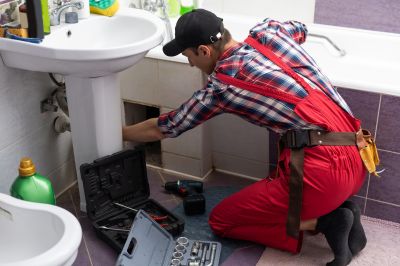



Use consistent comparison criteria across local contractors to clearly define scope, verify experience, and set expectations in writing.
- Scope Definition - clearly outline the specific plumbing tasks and areas to be addressed in the project.
- Material Selection - specify the types and quality of plumbing materials to be used for the job.
- Work Requirements - detail the necessary plumbing fixtures, fittings, and any specialized equipment needed.
- Installation Standards - establish the standards and practices that local contractors should follow during installation.
- Completion Criteria - define the conditions that will signify the plumbing work is satisfactorily finished.
When comparing plumbing contractors, it’s important to evaluate their experience with projects similar to the work needed in the home. Service providers with a history of handling comparable plumbing tasks-whether it's a bathroom remodel, pipe repair, or fixture installation-are more likely to understand the specific challenges involved. Asking about the scope of previous projects can help gauge their familiarity with the type of work required, ensuring they possess relevant expertise to deliver quality results.
A clear, written scope of work is essential when assessing potential plumbing contractors. This document should outline the specific tasks to be completed, the materials involved, and the expected outcomes. Having a detailed scope helps set realistic expectations and provides a foundation for agreement between the homeowner and the contractor. It also serves as a reference point throughout the project, reducing misunderstandings and ensuring everyone is aligned on what will be done.
Verification of a contractor’s basic credentials involves confirming their experience, references, and the quality of their past work. Homeowners can request references from previous clients or review any available project portfolios. Verifying that the contractor has successfully completed similar projects in the past adds confidence to their capabilities. Additionally, understanding their process for handling unforeseen issues or changes can help clarify how they manage project scope and quality control.
When evaluating options among local service providers, it’s helpful to focus on their communication and ability to provide detailed written proposals. Comparing the scope of work, the materials they plan to use, and the steps they outline can reveal how thoroughly each contractor understands the project. Clear documentation and a well-defined scope demonstrate professionalism and can assist in making an informed decision based on the contractor’s approach and expertise, rather than price alone.
Ask contractors to provide written scope details to ensure clear expectations and consistent project understanding.
- Experience and Expertise - What specific plumbing services have local contractors successfully completed similar to the scope of your project?
- Scope of Work - How do contractors define and document the work included and excluded in their plumbing service proposals?
- Qualifications and Background - What experience or background do local service providers have related to the specific plumbing tasks you need?
- Work Approach and Materials - How do contractors plan to approach the project and what materials or methods will they use?
- Written Agreements - Do contractors provide detailed written descriptions of the work scope and expectations before starting the project?
How can I compare plumbing contractors effectively? To compare local contractors, review their experience, verify their reputation through reviews or references, and ensure they clearly define the scope of work in writing.
What should I consider when defining the scope of a plumbing project? Clearly outline the specific tasks, materials, and expected outcomes to help contractors provide accurate proposals and avoid misunderstandings.
How do I verify a contractor’s experience with plumbing work? Ask for details about their past projects, request references, and check for any relevant work history or client feedback to assess their expertise.
Why is it important to have a written agreement with a plumbing contractor? A written agreement helps set clear expectations, defines the scope, and provides a record of the agreed-upon work to prevent disputes.
What questions should I ask a plumbing contractor before hiring? Inquire about their experience, approach to the scope of work, warranties offered, and how they handle unexpected issues during a project.
How can I ensure the contractor understands my plumbing needs? Communicate your requirements clearly, ask for their input, and confirm that all details are documented in writing before work begins.
This page has provided an overview of how to find and evaluate contractors for plumbing services. Visitors learned the importance of clarifying project scope, verifying experience, and putting agreements in writing to ensure clear expectations. Comparing multiple local service providers can help identify options that align with specific needs and preferences, making the process of selecting a contractor more straightforward.
To explore available local contractors for plumbing work, use the quote form to compare options and gather information. Connecting with qualified service providers can help find the right fit for the project, based on the criteria that matter most. Taking these steps can support making informed decisions when choosing a contractor for plumbing services.